Suffering Enters the Marriage, Not Just the Circumstance
If you are walking through a season of hardship, you already know that suffering doesn’t stay in its own lane. It enters the marriage, not just the circumstance.
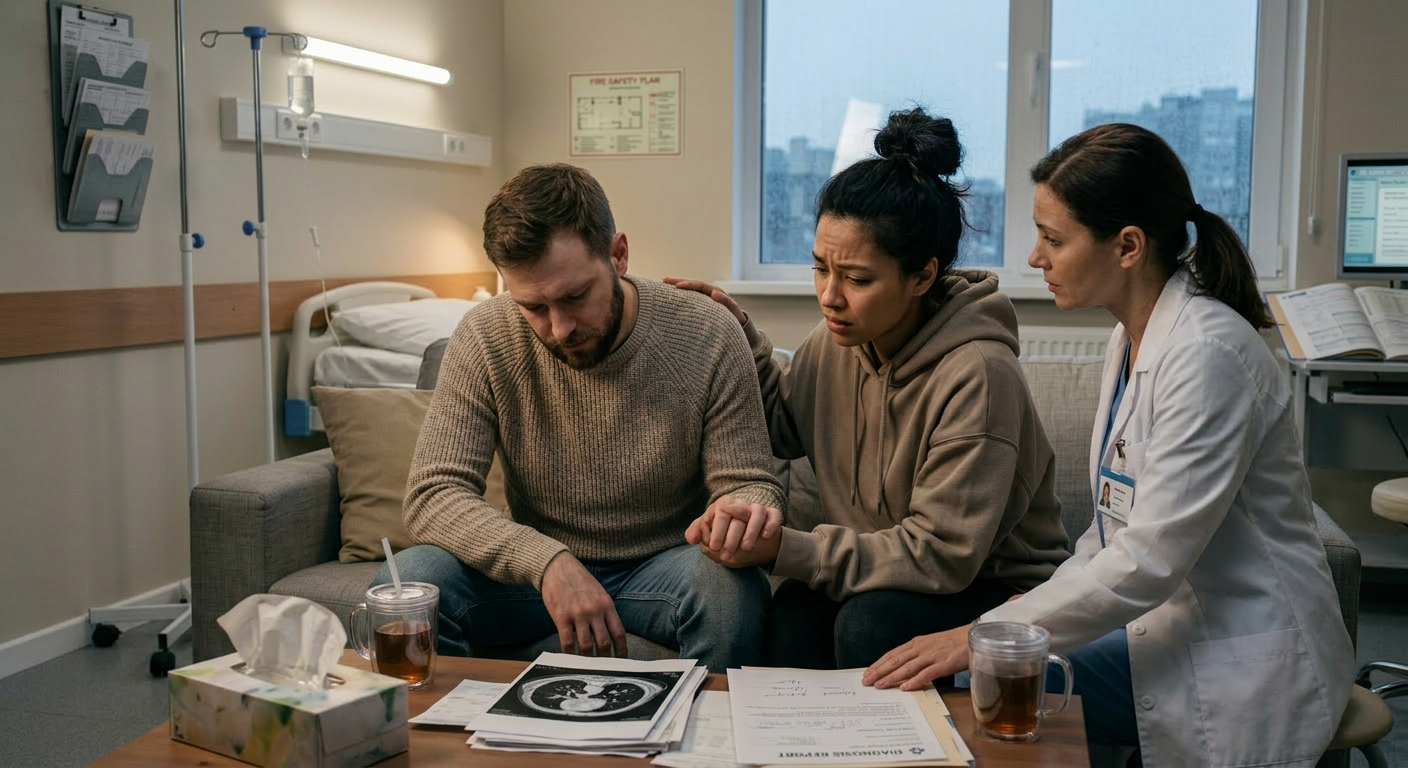
When Chase’s diagnosis entered our lives, it did not just alter his future. It entered our home, affected our other son, Nathan, and affected our marriage. Amy and I were not just processing the news as parents; we were doing so as a married couple. You see, suffering is rarely compartmentalized. It touches every area of life, including your closest relationship: your marriage.
For us, the diagnosis placed a new strain on our relationship. Suddenly, our conversations became heavier. Our energy was lower. Our fears were greater. The future we had quietly imagined together no longer felt stable.
In seasons of ease, your marriage often has margin for ordinary joys and emotional attentiveness. But suffering has a way of consuming that margin. You might find that your emotional energy is spent simply making it through the day.
The point is not that suffering automatically destroys a marriage. It does not. But it does enter a marriage in very real ways. It tests your communication, exposes hidden expectations, stretches your patience, and reveals weakness in both husband and wife.
Pain Puts Pressure on Weak Places
Pain Puts Pressure on Your Weak Places Suffering has a way of exposing what has been lurking beneath the surface of comfort. It exposes our personal and marital weaknesses. What seemed functional in your times of ease begins to crack under pressure.
One common pressure suffering places on a marriage is exhaustion. Amy and I battle exhaustion constantly. The mental, emotional, and physical toll of caring for a medically fragile child who is completely dependent on us for every need is incalculable. My son Chase has between two and eight seizures overnight, just about every night. It is rare that we, especially my wife, gets a good night sleep.
We quickly learned—and perhaps you have, too—that when we are tired, it affects how we treat one another. Things that might have been handled gently in a season of rest can be handled harshly when we are depleted. Scripture wisely reminds us, “A soft answer turns away wrath, but a harsh word stirs up anger” (Prov. 15:1).
Exhaustion can also lead to miscommunication. You may spend so much time focused on the coordination of daily life that you spend little time actually connecting at the heart level. You may speak constantly about medications, hospital stays, and scheduling difficulties and still feel disconnected. James writes, “Let every person be quick to hear, slow to speak, slow to anger” (James 1:19). That becomes much harder when both of you are already stretched thin.
Then there is spiritual dryness. In prolonged suffering, you or your spouse may struggle to pray, hope, and feel anything but numbness. The danger is not only distance from God but distance from each other.
Covenant Love: Staying Tender Under Pressure
When Amy and I pursued pastoral counseling as we faced the pressures suffering had brought into our marriage, we received a word of wisdom that I want to pass on to you: your spouse is not the enemy.
That was something both of us needed to hear. Though you might not call each other the enemy, at times you may function as though it were true. You need to remember that the diagnosis is not your spouse. The grief is not your spouse. The pressure is not your spouse. The husband or wife sitting across from you is not the source of the suffering but a partner trying to navigate the pain as well.
Paul Tripp captures this reality well when he describes marriage as “a flawed person married to a flawed person living in a fallen world … but with a faithful God!”
Even in your suffering, you can love your spouse with tenderness and grace in practical ways. It may look like listening when you would rather withdraw, serving quietly, forgiving quickly, or simply remaining present when there are no answers to give.
Your marriage under pressure also requires mercy, not scorekeeping. It is easy to keep mental records of who is more tired, who carried more this week, or who spoke more harshly. Early on, Amy and I may not have done this intentionally, but we did it reflexively. Yet love does not thrive in an atmosphere of accounting. Scorekeeping hurts us, and it will hurt your marriage.
In your suffering, choose tenderness over retaliation. Refuse to let pain harden your heart. Remember that both you and your spouse are weak, needy, and dependent on grace.
Christ Sustains You
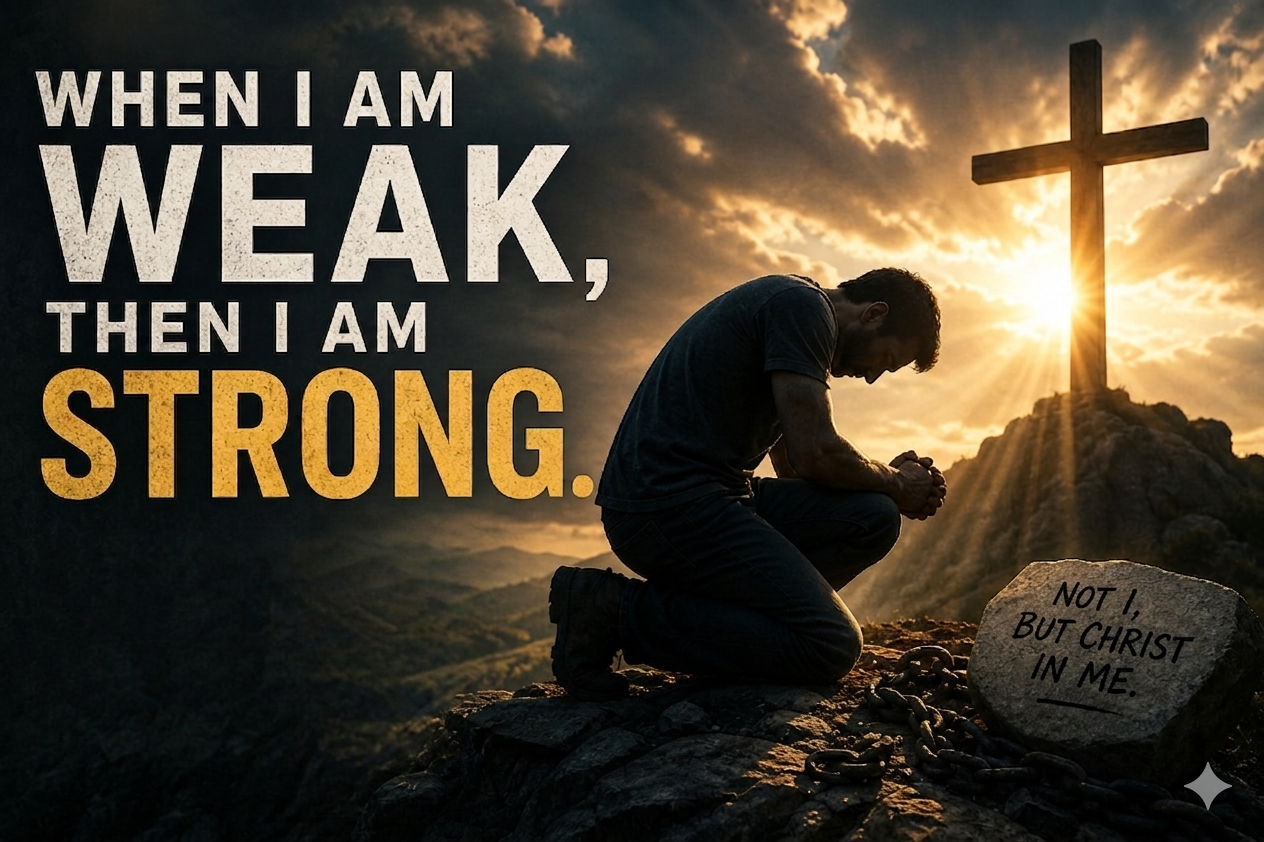
In these seasons of hardship, you do not need perfect strength nearly as much as you need daily grace. You do not need every answer, every emotion sorted out, or every fear resolved. You need the steady help of Christ, who meets weak people in real need.
We must understand that our marriage is not sustained by self-sufficiency. It is sustained by a Savior whose grace is enough for each day and whose strength is made perfect in weakness.
Christ does not wait for you or your spouse to become strong before He draws near. He meets you in your weakness. He is not repelled by your exhaustion, your fears, or your faltering prayers. He comes near to you with mercy.
The very trial that seems likely to drive you apart can, under the hand of God, deepen your dependence on Christ and your tenderness toward one another. The goal is not for you to appear strong. It is for you to learn to lean together on the One who truly is strong.
In that dependence, Christ sustains you with fresh mercy for today and often forms in you a gentleness toward one another that easier seasons never could have produced.
Bibliography:
Paul David Tripp, What Did You Expect? Redeeming the Realities of Marriage (Wheaton, IL: Crossway, 2010), 42.
Discover more from Shane Colwell
Subscribe to get the latest posts sent to your email.